
Controversies in the biggest sporting events
Are there controversies in the biggest sporting events? This is a question that frequently arises whenever the world gathers to witness global tournaments such as the FIFA World Cup, the Olympic Games, or the Super Bowl. While these events are designed to celebrate athletic excellence, unity, and cultural diversity, they are often shadowed by controversies ranging from political issues to doping scandals, corruption, and even human rights violations. The grandeur of the biggest sporting events doesn’t always equate to purity or fairness in execution. In fact, the very scale and visibility of such spectacles make them ripe for disputes and scrutiny.
One of the most common types of controversy involves doping and performance enhancement. Throughout history, numerous athletes have been caught using banned substances to gain a competitive edge. The Olympic Games, one of the biggest sporting events globally, have witnessed several high-profile doping cases. From the state-sponsored doping scandal involving Russia to individual athletes losing their medals years after their victories due to positive tests, these incidents cast a long shadow over the legitimacy of competitive results. The pressure to perform on the world’s biggest stage often drives athletes and their support teams to break rules, undermining the spirit of fair competition.
In addition to doping, corruption and financial misconduct often mar the biggest sporting events. The bidding processes for hosting major tournaments have come under intense scrutiny. FIFA, the governing body of international football, has faced multiple allegations of corruption related to the awarding of World Cup hosting rights. Accusations of bribery and vote-buying have surfaced concerning countries that were awarded hosting duties, raising questions about transparency and integrity. These issues are further compounded by the staggering amounts of money involved in organizing and broadcasting these events, making them susceptible to unethical behavior and mismanagement.
Human rights concerns are another source of controversy. When countries with poor human rights records are awarded the chance to host the biggest sporting events, activists and international organizations often raise alarms. For instance, preparations for events such as the FIFA World Cup in Qatar and the Beijing Olympics have been criticized for labor abuses, suppression of free speech, and exploitation of migrant workers. The desire to showcase national prestige sometimes leads host governments to prioritize image over the well-being of citizens and workers, leading to widespread condemnation from human rights groups.
Athlete activism and political statements have also contributed to controversies during major tournaments. The platform provided by the biggest sporting events offers athletes a unique opportunity to speak out on social and political issues. From raised fists on the medal podium in the 1968 Olympics to modern-day kneeling protests against racial injustice, such acts often ignite intense debates. While some applaud these gestures as courageous expressions of conscience, others argue that politics should be kept out of sports. Organizers frequently find themselves in difficult positions, trying to balance the freedom of expression with the rules and image of the event.
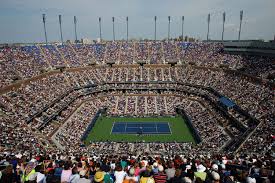
Are there controversies in the biggest sporting events?
Technological controversies have emerged in recent years, especially with the introduction of tools like VAR (Video Assistant Referee) in football and instant replay in other sports. These technologies were introduced to ensure fairness, but their implementation has sometimes led to confusion, inconsistency, and dissatisfaction among players, coaches, and fans. Decisions made with the help of technology can still be subjective, leading to claims of bias or favoritism, especially when the stakes are incredibly high during the biggest sporting events.
The treatment of athletes, particularly women and marginalized groups, also generates controversy. Pay disparities, lack of representation, and discrimination continue to be problems even in the most celebrated sporting competitions. The U.S. Women’s National Soccer Team, despite its dominance and popularity, had to fight a legal battle for equal pay compared to their male counterparts. In other instances, female athletes have faced criticism for their attire, appearance, or behavior—issues that are rarely applied to men. These double standards highlight broader societal issues that seep into the world of sports.
Media coverage and national biases also contribute to the controversial nature of the biggest sporting events. Broadcasters and journalists sometimes frame narratives in ways that favor particular countries or athletes, subtly influencing public perception. This can create friction between nations and contribute to a toxic environment, especially when combined with inflammatory commentary or sensationalist reporting. Moreover, misinformation and conspiracy theories can spread rapidly through social media, further complicating the perception of fairness and integrity.
In conclusion, the answer to the question—Are there controversies in the biggest sporting events?—is a resounding yes. While these grand spectacles continue to unite people and showcase human excellence, they are not immune to the flaws and challenges that affect other aspects of society. Whether it’s doping, corruption, political expression, or social inequality, the controversies that arise reflect deeper global issues. Addressing these challenges requires transparency, accountability, and a collective commitment to upholding the values that sports are meant to represent.