
employment agreements restrict freelance work
Freelancing and side-gigs have become increasingly common as workers look for flexibility, additional income, or opportunities to build new skills outside their main job. However, not every employer supports outside work due to concerns about competition, productivity, and confidentiality. This leads many workers to ask: can employment agreements restrict freelance work? The answer is yes. Employers can and often do include terms limiting or regulating external work to protect business interests, as long as the restrictions are reasonable and clearly stated in the Employment Agreement. Understanding how these clauses operate is essential before accepting a job or starting side projects.
Restrictions on freelance work are often included to prevent conflicts of interest. For example, a company may worry that an employee working as a freelancer in the same industry could share confidential information, divert clients, or use company resources for outside work. These risks are especially high in sectors such as technology, consulting, sales, marketing, design, and finance. When an Employment Agreement includes a clause preventing freelance or outside work, the purpose is usually to safeguard the employer’s competitive advantage and client relationships. Courts generally uphold these clauses when they protect legitimate business interests rather than simply limiting personal freedom.
Some restrictions in an Employment contract termination clause legality do not completely ban freelancing but require disclosure or approval. For example, the contract may state that employees can take outside projects only if management confirms that the work does not interfere with their primary job. Other agreements specify that freelance work must take place outside working hours and without using company tools, equipment, or confidential information. These rules offer flexibility while still ensuring that the outside work does not negatively affect performance or the employer’s business.
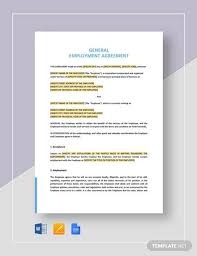
Can employment agreements restrict freelance work?
However, restrictions must be reasonable to be enforceable. A clause that tries to control every aspect of an employee’s personal time or prevent them from earning income in unrelated fields may be challenged as overly broad. For instance, if someone works in software development, a clause preventing them from performing freelance photography or tutoring would likely be viewed as excessive. The Employment Agreement should focus on avoiding conflicts, not unnecessarily limiting professional growth or personal opportunity. In some regions, courts examine whether contract terms unfairly restrict a worker’s livelihood and may refuse to enforce overly oppressive clauses.
Another important aspect involves intellectual property and confidentiality. Even when freelance work is allowed, the Employment Agreement may require employees to avoid using proprietary tools, code, designs, strategies, or business contacts from their main job. This prevents situations where a freelancer unknowingly incorporates protected material into outside work, which could create serious legal consequences. Employees should fully understand confidentiality rules before accepting freelance opportunities.
If an employee wants the option to freelance but the Employment Agreement restricts outside work, negotiation is possible before signing. For example, employees might ask for exceptions for work in unrelated fields, limited restrictions only during work hours, or written approval for specific projects. Once the contract is signed, the employee is legally bound by the restrictions, and violating them could result in disciplinary action, termination, or legal claims if damages occur.
In conclusion, employment agreements can restrict freelance work, and these restrictions are usually legal when they protect legitimate business interests and remain reasonable in scope. Employees who plan to pursue outside projects should review the Employment Agreement carefully and seek clarification before signing to avoid future conflict. By understanding and negotiating freelance-related terms early, workers can maintain both job security and professional flexibility.