
flat pack houses be customized
Can flat pack houses be customized? This is a common question among people who are considering modular homes but worry that pre-fabricated designs may limit their personal style or functional needs. Flat Pack Houses, by definition, are prefabricated units that arrive in components ready to be assembled, but modern manufacturers have evolved their offerings to allow a remarkable degree of customization. Unlike traditional homes, where changes often mean significant construction delays and higher costs, flat pack houses provide flexibility in design, layout, and finishes, making them an appealing option for those who want a personalized yet affordable home.
One of the primary ways flat pack houses can be customized is through floor plans and layout options. Many suppliers offer multiple standard layouts that can be adapted to suit individual preferences. Buyers can often select the number of bedrooms, the size of the kitchen, and the arrangement of living spaces to match their lifestyle. Some companies even allow for extensions or modular add-ons, so homeowners can expand their property over time without major disruptions. This level of adaptability ensures that flat pack houses are not a one-size-fits-all solution but can be tailored to meet both practical and aesthetic requirements.
Beyond the interior layout, flat pack houses also offer a variety of materials and finishes for customization. Roof styles, cladding, and insulation types can often be chosen based on personal taste, climate considerations, and budget. For instance, homeowners may opt for wood cladding to create a rustic look or metal panels for a more modern, industrial feel. Similarly, internal finishes such as flooring, cabinetry, and wall colors can be tailored, allowing flat pack houses to reflect the homeowner’s individual style rather than a generic pre-fabricated appearance. This ability to personalize the home is a key factor in why many people are drawn to this type of construction.
Flat pack houses also allow for customization in terms of energy efficiency and sustainability. Buyers can often specify insulation levels, window types, and heating systems to meet environmental goals or reduce long-term utility costs. Some manufacturers even offer solar panels or rainwater harvesting systems as optional add-ons, giving homeowners the ability to create a home that is not only functional but also environmentally friendly. This level of customization can make flat pack houses particularly attractive to those who prioritize green living while still needing an affordable and practical housing solution.
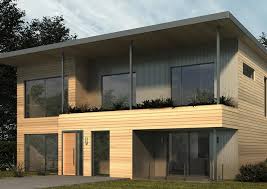
Can flat pack houses be customized?
Technology integration is another area where flat pack houses can be customized. Modern modular homes often come with options for smart home systems, including lighting, security, and climate control. Homeowners can choose the degree of automation and which systems they want integrated, allowing a flat pack house to function just like a traditional home equipped with modern conveniences. This feature demonstrates that flat pack houses are not limited to basic or minimalistic designs—they can be highly sophisticated and personalized spaces, meeting the demands of contemporary living.
Even outdoor areas associated with flat pack houses can be tailored to individual preferences. Some companies offer modular decks, patios, or garden spaces that can be added during the initial assembly or later on. This ensures that the overall property design complements the home and meets the specific lifestyle needs of the residents. For families who enjoy outdoor activities, or for homeowners seeking a seamless indoor-outdoor flow, these options significantly enhance the customizability of flat pack houses.
However, it is important to understand that the level of customization can vary depending on the manufacturer. While many offer a broad range of choices, some more budget-focused options may be limited in scope to maintain affordability. Nevertheless, even with these limitations, flat pack houses usually provide more flexibility than many people initially assume. By carefully selecting a supplier that aligns with their vision, homeowners can enjoy a balance of cost-effectiveness and personalization, making flat pack houses a smart choice for customized living.
In conclusion, the question “Can flat pack houses be customized?” has a resounding yes as an answer. From flexible floor plans and interior finishes to energy-efficient features, technology integration, and outdoor options, flat pack houses offer a wide array of customization possibilities. They allow homeowners to create a living space that meets both practical needs and personal tastes without the extended timelines and high costs associated with traditional construction. By understanding the options available and choosing a supplier that supports customization, individuals can enjoy a home that is unique, functional, and tailored to their lifestyle. Flat pack houses are no longer just convenient or affordable—they can also be highly personalized, proving that pre-fabrication and individuality are not mutually exclusive.